
Advanced Biomass Biofuels
Turning biomass into a cleaner, more reliable energy solution.
Biomass has significant potential to support Canada’s low-carbon energy transition. But unlocking that potential requires more than raw material. Feedstock quality, moisture, energy density, storage stability, processing efficiency, and end-use requirements all need to be considered together.
We evaluate forest residues, agricultural residues, energy crops, and other biomass streams to determine their technical and commercial potential. Feedstock characterization includes moisture, ash, energy content, availability, seasonality, and logistics.
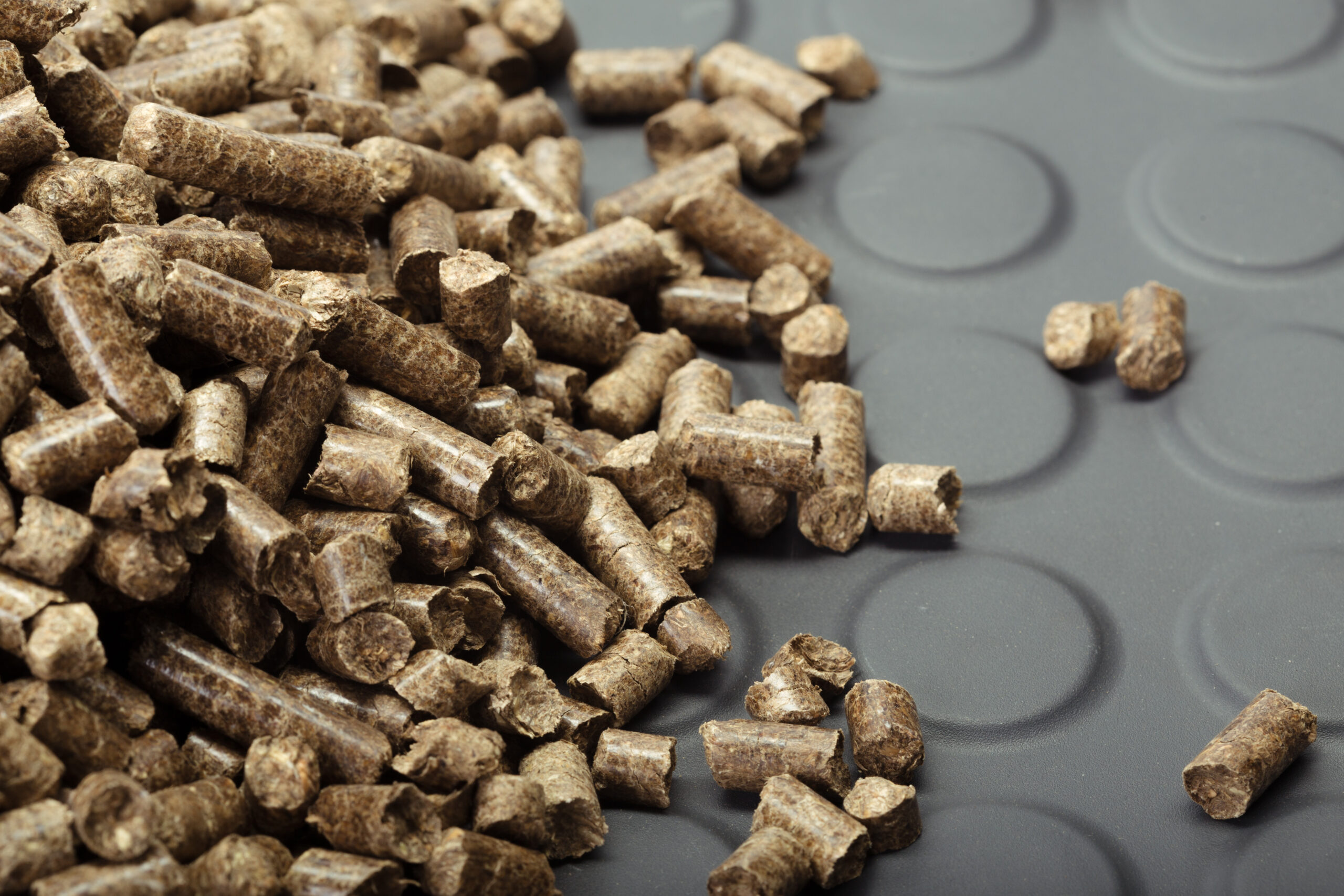
Densification converts low-density biomass into practical fuel products such as pellets and briquettes. NorvanTech integrates pelletization with drying, pretreatment, cooling, storage, and transportation to improve handling and reduce logistics costs.
Advanced pretreatment can improve moisture content, energy density, storage stability, grindability, and fuel performance. NorvanTech evaluates technologies such as torrefaction and steam pretreatment and matches the process to the feedstock and intended application.
NorvanTech applies process modeling, energy and mass balances, techno-economic analysis, and lifecycle assessment to support better process design and reduce project risk.
From Local Biomass to Global-Class Biofuels
Successful bioenergy projects begin with the right feedstock and the right process. NorvanTech helps clients connect feedstock characteristics with pretreatment, densification, plant design, logistics, and target markets.
Our approach is designed around real-world biomass variability. Forest residues, agricultural residues, switchgrass, and other biomass streams can have very different moisture levels, ash characteristics, energy content, and handling requirements.
Through detailed feedstock characterization and process modeling, we help identify the most appropriate processing pathway — from conventional pelletization to steam pretreatment, torrefaction, or integrated approaches.
The objective is a fuel that is not only technically suitable, but also commercially competitive, transportable, storable, and aligned with sustainability requirements.
Engineering Better Biomass Fuel Performance
Torrefaction is a thermal pretreatment process that upgrades biomass by heating it in an oxygen-deficient environment. The resulting material has improved hydrophobicity, storage stability, grindability, and energy density.
Steam pretreatment provides another pathway for producing durable, water-resistant pellets suitable for demanding export markets. The process can improve pellet durability, energy content, and resistance to moisture during storage and marine transportation.
NorvanTech evaluates these technologies according to feedstock properties, process energy requirements, product specifications, capital and operating costs, and the requirements of the target market.
The result is an integrated pathway from feedstock collection and preparation through pretreatment, densification, storage, transportation, and final energy application.
Building the Next Generation of Sustainable Biofuels
Advanced biomass biofuels can complement intermittent renewable energy by providing dispatchable, storable energy for applications that require reliable heat and power.
NorvanTech focuses on reducing the practical barriers that limit biomass deployment, including moisture, low energy density, variable feedstock quality, storage instability, grinding requirements, and transportation costs.
Our work connects academic research with industrial implementation, helping clients develop solutions that are technically sound, economically viable, and aligned with evolving sustainability and regulatory requirements.
Our research is grounded in over a decade of academic and industrial collaboration, including work with the University of British Columbia, the University of Alberta, and Oak Ridge National Laboratory. This foundation has produced validated process models for torrefaction, steam pretreatment, and pellet production that translate directly into practical engineering decisions.
Net Energy Ratio and lifecycle greenhouse gas analysis guide every recommendation we make. Research consistently shows that partial pretreatment near 50% intensity delivers the best balance between fuel quality and net energy return, helping clients avoid over-processing that erodes both economics and sustainability performance.
Looking ahead, our roadmap includes hybrid pretreatment pathways, modular and portable systems suited to remote forestry operations, and AI-assisted process optimization — extending proven science into solutions built for real-world deployment across Canada and international markets.

Why NorvanTech?
Our Learning Hub is built around the same technical areas that support NorvanTech’s biomass biofuel work: feedstock optimization, pretreatment, torrefaction, pelletization, steam pretreatment, energy efficiency, sustainability, and process modeling.
Characterization and optimization of diverse biomass resources, including forest residues, agricultural residues, and energy crops.
Evaluation and optimization of torrefaction, steam pretreatment, pelletization, and integrated biomass processing pathways.
Energy and mass balances, techno-economic analysis, lifecycle assessment, and process optimization to support practical investment decisions.
Designing biofuel pathways with consideration for global markets, transportation, fuel quality, lifecycle emissions, and standards such as CleanBC LCFS and EU RED II.
Services

Norvantechconnect@gmail.com