
Torrefaction Solutions
Upgrading biomass into a premium, industrial-grade fuel
Torrefaction is a mild, oxygen-deficient thermal process carried out at 200–300°C. It removes moisture and volatile compounds, increasing energy density, improving grindability, and giving biomass the durability and storage stability it needs to compete in global fuel markets.
Detailed sizing and thermodynamic modelling of moving bed, rotary drum, and fluidized bed torrefaction reactors, tailored to feedstock and throughput requirements.
Guidance on the optimal sequence — pelletizing before or after torrefaction — to maximize durability and minimize processing cost.
Fine-tuning temperature, residence time, and heating profile to match feedstock characteristics and target fuel quality.
Aligning torrefied fuel properties with co-firing, cement kiln, gasification, or export market requirements.
From Raw Biomass to Coal-Equivalent Fuel
Raw biomass is bulky, wet, and inconsistent — properties that make it difficult and expensive to transport, store, and burn reliably in industrial settings.
Torrefaction solves these challenges directly: energy density rises by roughly 30%, moisture drops to as little as 1–3%, and grinding energy falls by more than half, all while preserving the biomass’s core energy content.
The result is a fuel that behaves like coal in existing infrastructure — proven in commercial-scale co-firing plants such as Drax in the UK and Amer 9 in the Netherlands, and increasingly demanded by export markets in Asia and Europe.
Torrefied biomass also performs strongly as a feedstock for gasification and pyrolysis, producing higher-quality syngas and reduced tar formation compared to raw biomass.
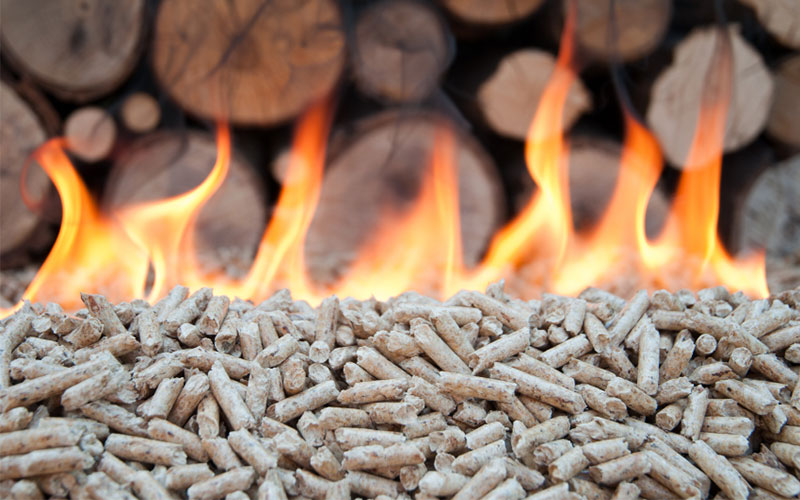
Engineering Torrefaction for Real-World Performance
Reactor selection is central to torrefaction performance. Moving bed, rotary drum, and fluidized bed reactors each offer different trade-offs in throughput, heat transfer uniformity, and capital cost — and NorvanTech evaluates all three against feedstock type and project scale.
Process parameters matter as much as reactor design. Temperature, residence time, and heating rate must be tuned precisely: under-treatment leaves moisture and volatiles behind, while over-treatment sacrifices energy yield for marginal gains in durability.
NorvanTech evaluates these variables together with capital and operating costs, product specifications, and target market requirements to identify the pretreatment intensity that delivers the best return — typically near 50% partial torrefaction for the strongest balance of fuel quality and net energy performance.

Building the Next Generation of Torrefaction Technology
Our research is grounded in over a decade of academic and industrial collaboration, including work with the University of British Columbia, the University of Alberta, and Oak Ridge National Laboratory, producing validated thermodynamic models of torrefaction reactors.
Net Energy Ratio and lifecycle greenhouse gas analysis guide every recommendation we make. Torrefied and steam-treated pellets can cut lifecycle emissions by roughly 80–85% compared to coal, even after accounting for the energy cost of pretreatment.
Our roadmap extends this work into hybrid pretreatment pathways, modular and portable torrefaction units for remote forestry operations, and AI-assisted process optimization — turning proven science into deployable systems.
Services

Norvantechconnect@gmail.com